
How to Deal With Withdrawal Symptoms of Addiction

Overcoming addiction is a challenging journey that often involves facing withdrawal symptoms when discontinuing substance use or behavior that the body has become dependent on. Withdrawal symptoms can vary in intensity and duration depending on the type of addiction and the individual’s physiology. Dealing with porn addiction withdrawal symptoms and other types of addiction is a crucial step toward recovery, as successfully managing withdrawal can pave the way for a healthier, addiction-free life. Below are effective strategies for coping with withdrawal symptoms during the recovery process.
Seek Professional Guidance
 When facing withdrawal symptoms, seeking professional guidance and support is essential. Medical professionals and addiction specialists can provide personalized advice, create a tailored withdrawal management plan, and monitor your progress. They may prescribe medications to alleviate severe withdrawal symptoms and ensure a safer and more comfortable experience.
Education and Awareness
Understanding the nature of withdrawal symptoms helps you prepare mentally and emotionally for the difficulties ahead. Educate yourself about the specific withdrawal symptoms associated with your addiction, their potential duration, and how they may manifest. This knowledge empowers you to recognize and address symptoms as they arise.
Healthy Lifestyle Choices
Maintaining a healthy lifestyle can minimize the impact of withdrawal symptoms. Focus on proper nutrition, regular exercise, and adequate sleep. Eating a balanced meal rich in vitamins and minerals can help restore your body’s balance and support its healing process. Training releases endorphins, which can boost mood and reduce stress.

Stay Hydrated
Hydration is essential during the withdrawal process. Drinking water aids in flushing toxins from your system and can alleviate certain symptoms, such as headaches and nausea. Herbal teas and electrolyte-rich beverages can also contribute to hydration and comfort.
Practice Relaxation Techniques
Withdrawal symptoms can cause heightened stress and anxiety. Engage in relaxation methods to manage stress and promote a sense of calm. These practices can help you cope with physical discomfort and emotional turmoil.
Engage in Supportive Activities
Distracting yourself using activities you enjoy can help take your mind off withdrawal symptoms. Engage in hobbies, spend time with loved ones, read, listen to music, or watch movies. Positive and engaging activities can provide a sense of normalcy and boost your mood.
Set Realistic Expectations
Withdrawal symptoms can be challenging, but they are temporary. It’s important to set realistic expectations and remind yourself that the discomfort you’re experiencing is a part of the healing process. Focus on the positive changes you’re working toward and envision a healthier, addiction-free future.
Join Support Groups
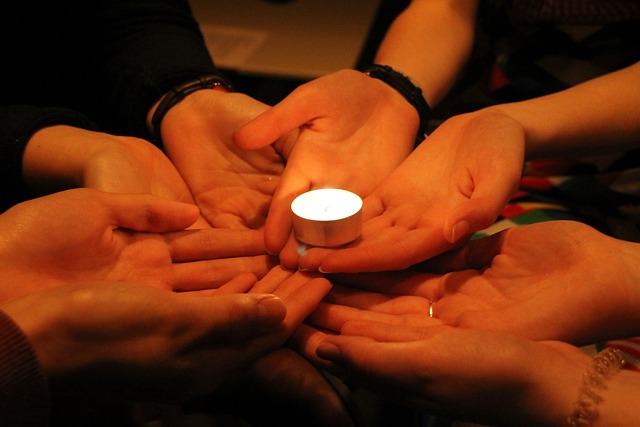
Connecting with others who have experienced or are currently going through withdrawal can provide a sense of camaraderie and understanding. Support groups or counseling sessions offer a platform to share experiences, gain insights, and receive encouragement from individuals who can relate to your journey.
Conclusion
Dealing with withdrawal symptoms is integral to the recovery journey from addiction. Remember that each person’s experience is unique, and asking for help when needed is okay. With determination, support, and a proactive approach, you can navigate withdrawal challenges and move toward a life of renewed health and well-being.…